How Loyalty Reward Structures in Gibraltar-Licensed Mobile Poker Apps Influence Long-Term Player Engagement Metrics
Parker Fischer · Aug 26, 2026
How Loyalty Reward Structures in Gibraltar-Licensed Mobile Poker Apps Influence Long-Term Player Engagement Metrics
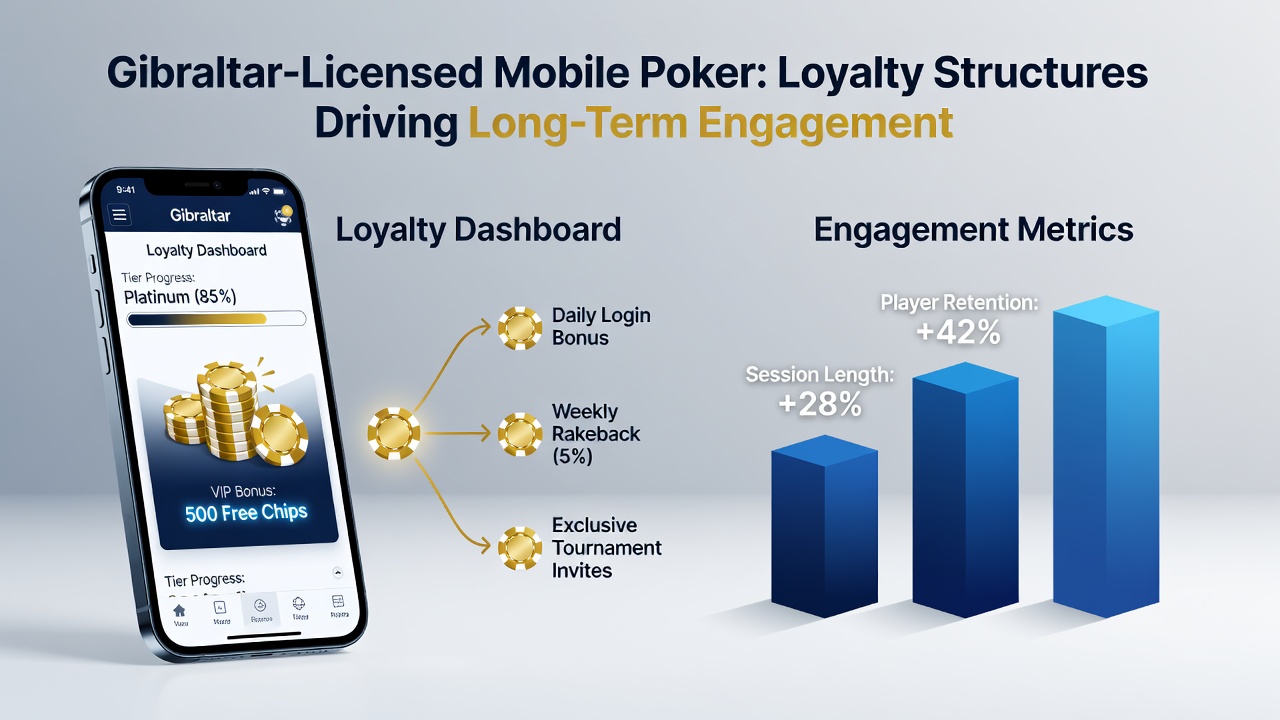
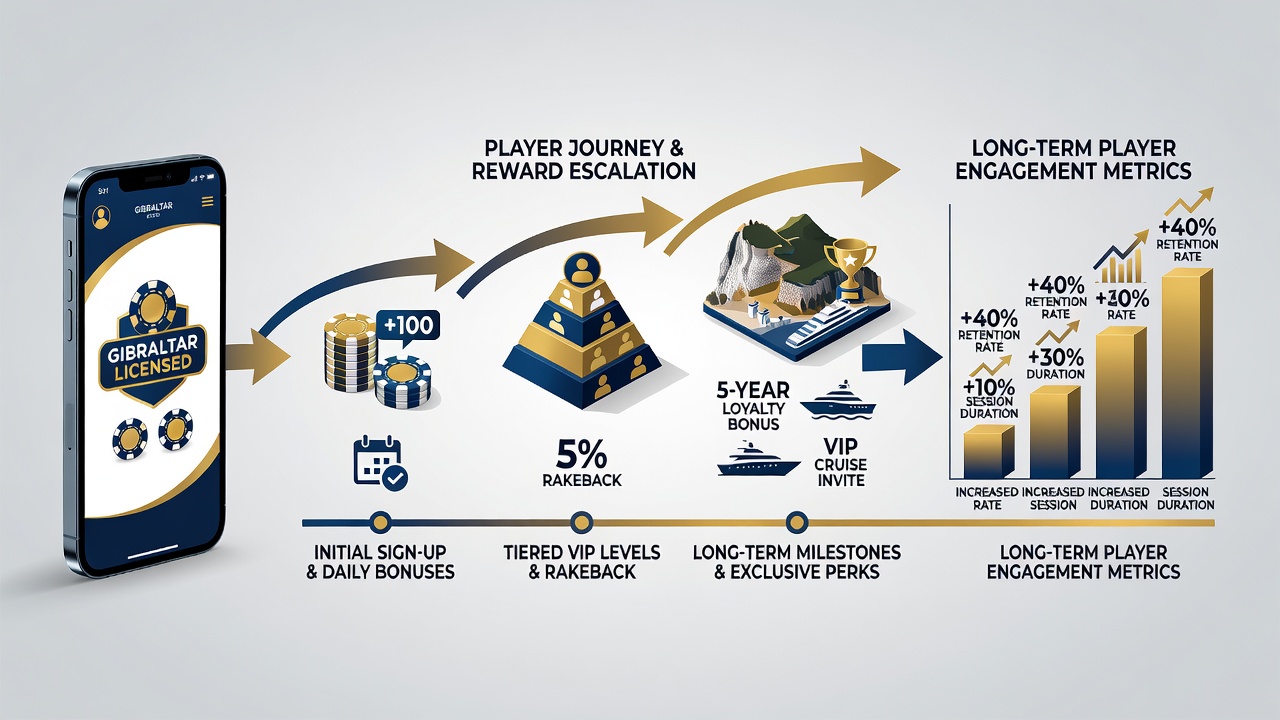
Gibraltar-licensed mobile poker apps operate under a regulatory framework that requires operators to maintain detailed records of player activity, and loyalty reward structures form a central component of those operations. These structures typically include rakeback percentages, tiered VIP programs, loyalty point accumulation, and exclusive tournament entries that reward consistent play. Data from industry reports shows that players enrolled in such programs exhibit higher session frequencies compared with non-members, while retention rates often increase by measurable margins over six-month periods.
Operators in Gibraltar track engagement through metrics such as average session duration, deposit frequency, and lifetime player value. Rakeback systems return a portion of rake paid during hands, and this direct financial incentive correlates with extended play sessions because participants receive immediate feedback on their activity. Tiered programs add progressive benefits, where higher levels unlock faster withdrawals or dedicated support, and studies of similar platforms indicate that players advancing through tiers demonstrate reduced churn rates.
Core Components of Loyalty Structures
Loyalty points accumulate based on rake generated or hands played, then convert into bonuses, cash, or merchandise. Mobile interfaces display real-time point balances and upcoming rewards, which encourages repeated logins throughout the day. Gibraltar regulations mandate clear terms for point expiration and redemption, ensuring transparency that supports sustained participation rather than one-time engagement spikes.
Exclusive events represent another layer, with satellite tournaments feeding into larger prize pools reserved for loyalty members. These opportunities create additional play incentives, particularly on mobile devices where notifications prompt users to join at specific times. Observers note that participation in these events tends to cluster around peak hours, producing measurable lifts in concurrent user numbers.
Engagement Metrics and Observed Patterns
Long-term metrics reveal that players receiving consistent rewards maintain accounts longer and generate more hands per week than those without structured incentives. Research conducted across multiple jurisdictions, including data referenced by the Gibraltar Regulatory Authority, indicates average increases in monthly active users when loyalty tiers refresh periodically. Session length extends because reward notifications appear during active play, prompting continued participation rather than logout.
Deposit patterns also shift under these structures. Players often time deposits to coincide with bonus multipliers or double-point events, creating predictable revenue cycles for operators. Mobile analytics platforms capture these behaviors through timestamped transaction logs, allowing operators to adjust reward schedules based on actual usage data collected in real time.
Regional Comparisons and Data Trends
August 2026 brought updated reporting requirements from several European licensing bodies that prompted Gibraltar operators to refine how they segment loyalty data. Comparative figures from the European Gaming and Betting Association show that apps with integrated mobile loyalty features achieve higher cross-device retention than desktop-only programs. Players who receive push notifications about point milestones log in more frequently across both Wi-Fi and mobile networks.
Academic reviews of player behavior databases further illustrate that reward velocity influences engagement duration. Faster point accrual systems correlate with shorter gaps between sessions, whereas slower systems may extend overall account lifespan but reduce weekly activity volume. Operators adjust these speeds through algorithmic balancing that responds to aggregate player data rather than individual targeting.
Technical Implementation on Mobile Platforms
Mobile poker applications integrate loyalty tracking directly into the game client, displaying progress bars and upcoming milestones without requiring separate menu navigation. This seamless presentation reduces friction and supports habitual checking behavior. Backend systems log every hand and calculate rewards instantaneously, feeding results back to the user interface within seconds of each hand conclusion.
Security protocols required by Gibraltar licensing ensure that reward ledgers remain tamper-proof, and third-party audits verify that point calculations match published rules. These verification steps maintain player trust, which in turn sustains long-term engagement because participants perceive the system as reliable and fair.
Conclusion
Loyalty reward structures in Gibraltar-licensed mobile poker apps shape engagement through direct financial returns, tier progression, and exclusive access that together influence session frequency, retention duration, and deposit timing. Available data demonstrates consistent patterns across operators, with reward systems producing measurable effects on the metrics operators monitor most closely. Continued refinement of these structures follows regulatory updates and usage analytics, maintaining alignment between player incentives and platform requirements.