Exploring Biometric Authentication Adoption Patterns Among UK-Licensed Gambling Platforms and Their Effects on Player Verification Workflows
Avery Bauer · Aug 24, 2026
Exploring Biometric Authentication Adoption Patterns Among UK-Licensed Gambling Platforms and Their Effects on Player Verification Workflows
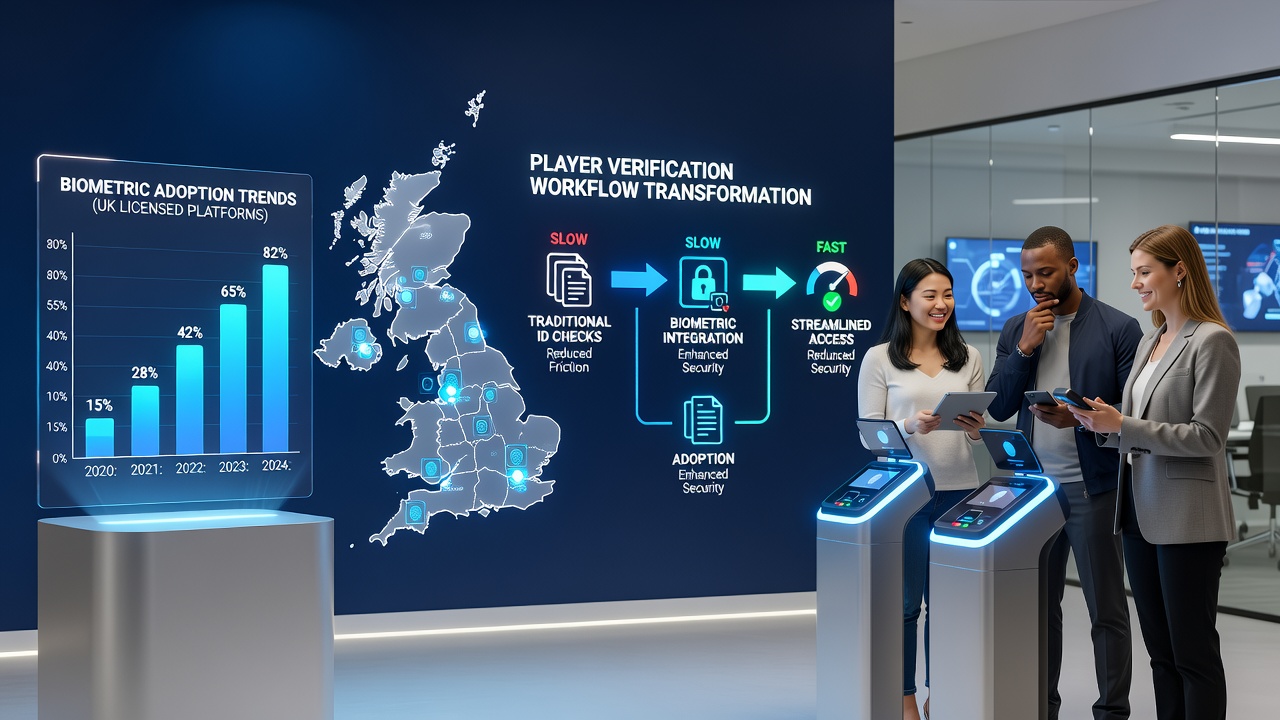
UK-licensed gambling platforms have integrated biometric authentication tools at varying rates since the mid-2010s, and data from industry tracking shows that facial recognition systems lead the way while fingerprint and voice options follow in specific segments. As of August 2026 those same platforms report ongoing adjustments to verification steps that now combine biometric checks with existing document uploads, which shortens initial onboarding times yet requires additional backend processing for false positive cases.
Adoption Patterns Across Licensed Operators
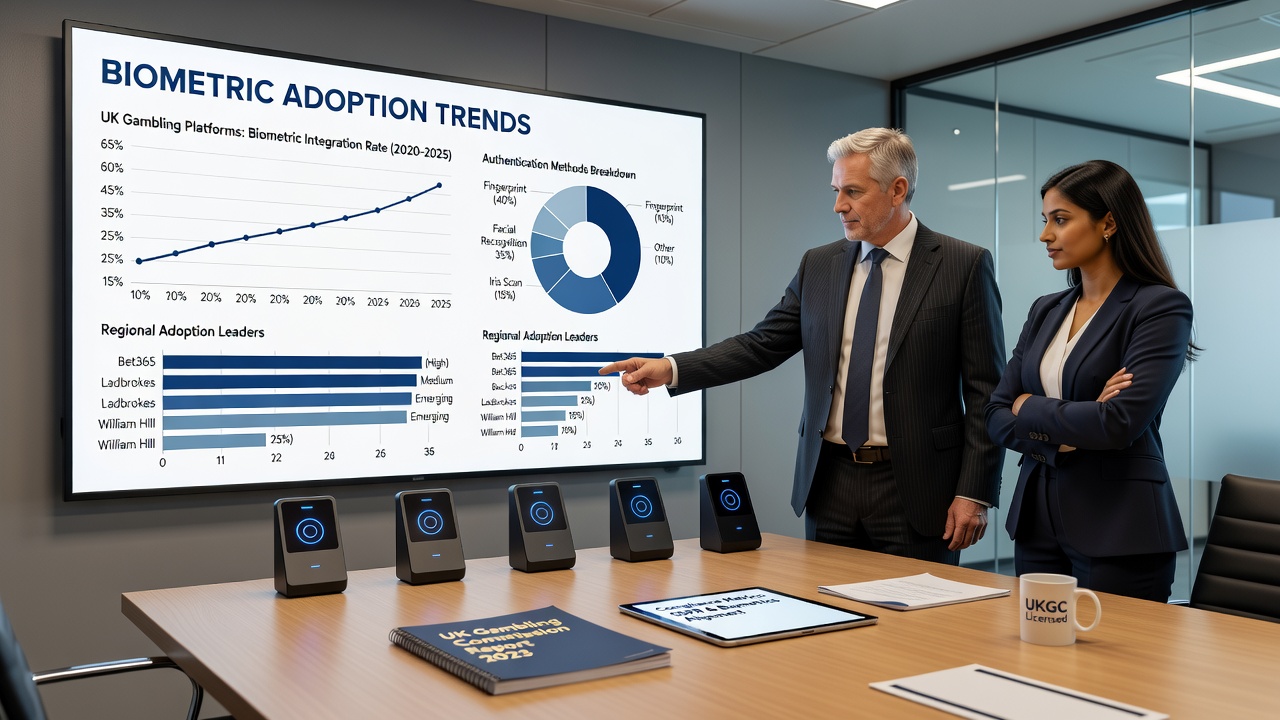
Market surveys conducted through 2025 and into 2026 reveal that larger operators with multi-platform operations adopted facial recognition first because it aligns with mobile app usage patterns already common among their user base, whereas smaller operators often start with fingerprint scanning that works through standard device hardware without extra licensing fees. Researchers at the Australian Gambling Research Centre noted similar tiered rollout sequences in comparable regulatory environments, and those findings match patterns observed in UK data sets released earlier this year. Operators that serve high volumes of sports betting users show faster uptake of voice biometrics during live chat verification, since those sessions already capture audio and the technology adds a layer that reduces repeat identity prompts.
Integration with Existing Verification Steps
Player verification workflows have shifted from purely document-based sequences to hybrid models where biometric capture happens either at registration or during the first deposit attempt, and this change cuts the average time from account creation to full approval by several minutes according to internal metrics shared at industry forums. When a platform adds facial matching it typically runs the scan against a government-issued photo ID that the user uploads, then stores a template rather than the raw image, which satisfies data minimization rules while still allowing later checks if account activity triggers review. Fingerprint options appear more often on desktop-to-mobile handoff flows because users can reuse the same sensor they already employ for device unlocking, and this reuse lowers friction without introducing new hardware requirements.
Effects on Processing Times and User Pathways
Verification teams report that biometric layers catch mismatched identities earlier in the sequence, which reduces the number of manual reviews required later and allows staff to focus on higher-risk cases flagged by transaction monitoring rather than routine document validation. Yet the same systems generate new exception queues when lighting conditions or camera quality prevent a clean match, and those exceptions still route back to human agents who must request alternative verification methods such as video calls or additional ID uploads. Data compiled by the National Center for Responsible Gaming in the United States shows comparable increases in exception handling volumes during the first six months after biometric rollout, after which volumes stabilize once operators refine their capture interfaces and user guidance prompts.
Technical and Regulatory Considerations in 2026
Platforms that introduced biometrics before 2025 now face template storage questions tied to retention periods, and several have moved to on-device processing models that keep raw data off central servers while still producing match results for compliance logs. Regulatory updates scheduled for later in 2026 are expected to clarify whether operators must offer non-biometric alternatives for users who opt out, and early guidance documents already emphasize clear consent language at the point of capture. Those who have studied cross-border data flows note that UK-licensed sites serving international users sometimes maintain separate biometric pipelines to meet differing regional rules on sensitive personal information, which adds complexity to their backend architecture but keeps each market segment compliant.
Future Trajectory Based on Current Trends
Continued growth in biometric use appears tied to improvements in liveness detection that reduce spoofing attempts, and operators continue to test multi-factor combinations such as facial scan plus device fingerprinting during high-value transactions. Observers note that the shift also influences how responsible gambling tools surface, because verified biometric profiles allow more precise delivery of limit-setting messages without repeated identity confirmation steps. As August 2026 data continues to accumulate, patterns suggest that mid-sized operators will accelerate adoption once standardized APIs become widely available, which should further streamline verification workflows across the sector.
Conclusion
Biometric authentication has altered verification workflows on UK-licensed platforms by inserting automated checks earlier in the process while creating new exception pathways that still require human oversight in certain cases. Adoption rates differ by operator size and product type, with facial recognition leading and fingerprint plus voice options appearing in targeted flows. External studies from regions outside the UK confirm that similar sequences produce measurable reductions in routine review time alongside temporary rises in exception handling. Those developments continue to shape how platforms balance speed, security, and regulatory compliance through the remainder of 2026.