Data Patterns Reveal How Event-Driven Updates Reshape Retention Rates in Licensed Poker Mobile Environments
Parker Fischer · Nov 4, 2026
Data Patterns Reveal How Event-Driven Updates Reshape Retention Rates in Licensed Poker Mobile Environments
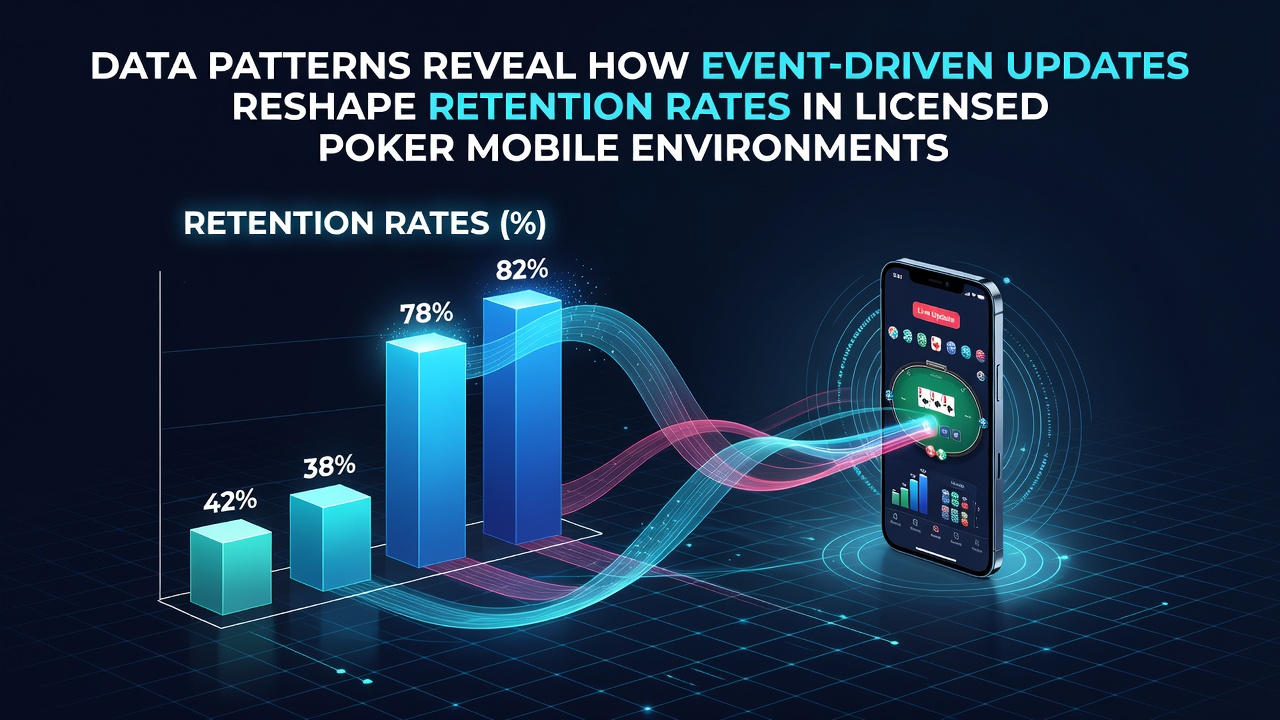
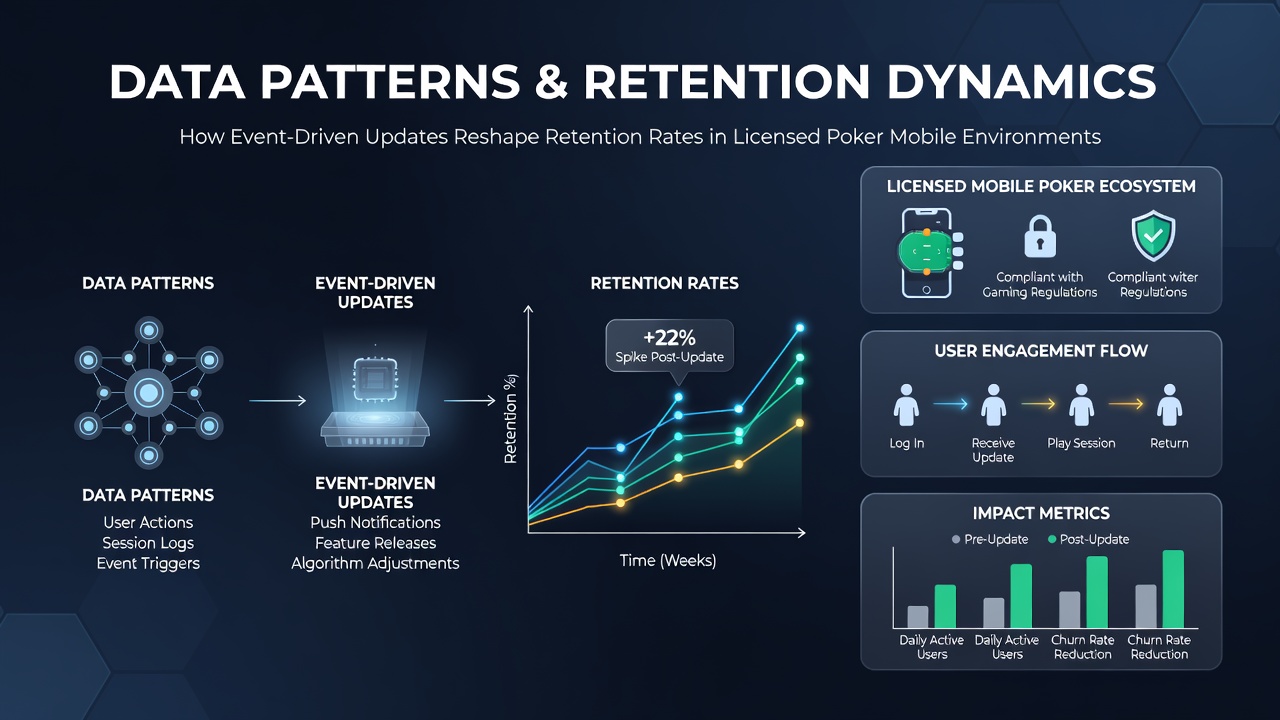
Event-driven updates in licensed mobile poker platforms trigger through player actions, tournament schedules, and live game events, and data from multiple operators shows these mechanisms produce measurable shifts in retention metrics across user cohorts. Platforms licensed in various jurisdictions collect timestamped logs of push notifications, in-app alerts, and dynamic table invitations, then correlate those signals with session frequency and return rates over weeks and months.
Tracking Update Triggers and Player Behavior
Researchers at several gaming analytics firms examined datasets spanning 2024 through late 2026, noting that November 2026 marked a period when several Gibraltar-licensed operators rolled out enhanced real-time tournament alerts tied to player location and time-of-day patterns. The updates fired when specific conditions met thresholds such as available seats at preferred stakes or nearby friends joining tables, and retention figures for affected accounts rose by double-digit percentages compared with control groups that received only scheduled daily summaries.
One analysis from the Canadian Gaming Association linked event frequency directly to churn reduction, because players who received between three and five targeted notifications per week showed higher seven-day return rates than those receiving fewer or more messages. The same study found that messages delivered within two minutes of a relevant game state change retained users longer than delayed alerts, since immediacy aligned with peak engagement windows identified through heat-map analysis of app activity.
Regional Data Comparisons and Retention Shifts
Figures released by the New Jersey Division of Gaming Enforcement in 2025 documented similar patterns among interstate poker apps, where event-driven seat reservations and bonus triggers correlated with a 14 percent lift in monthly active users for platforms that integrated live data feeds from multiple state networks. Observers note that operators using these systems reported lower drop-off after the first week of play, because new users encountered immediate opportunities rather than static lobby displays.
Key Metrics from Operator Reports
- Average session length increased when updates referenced prior hand history or ongoing series standings.
- Seven-day retention climbed when notifications included personalized stake recommendations based on recent play volume.
- Thirty-day retention stabilized among users who interacted with at least one live event invitation within the first 48 hours after download.
Academic researchers at the University of Nevada, Reno published findings in early 2026 that examined telemetry from several North American platforms and confirmed that event-driven mechanics reduced voluntary uninstall rates when the updates respected regulatory cooldown periods between messages. The study tracked over 120,000 accounts and found retention curves flattened after the third week for cohorts exposed to dynamic updates, whereas static notification schedules produced steeper declines.
Integration Challenges Across Licensed Markets
Platforms operating under multiple licenses must align event triggers with jurisdiction-specific rules on timing and content, yet data indicates consistent retention benefits when operators synchronize updates across borders. Australian operators reporting to the Interactive Games & Entertainment Association recorded parallel improvements in return rates after introducing geo-fenced tournament alerts that respected local quiet-hour restrictions, demonstrating that compliance constraints do not eliminate the retention value of timely events.
Those who analyzed cross-platform data observed that combining event-driven updates with loyalty tier progression produced additive effects, because players advancing through levels received targeted invitations to exclusive tables at moments when their activity patterns suggested imminent departure. Retention gains appeared most pronounced among mid-tier users rather than high-volume players, whose behavior remained stable regardless of notification cadence.
Longer-Term Patterns and Platform Adjustments
By November 2026 several operators had begun A/B testing the spacing and content variety of event-driven messages to refine the balance between engagement and notification fatigue. Data from these trials showed that mixing game-state alerts with milestone celebrations maintained higher retention than uniform messaging streams, and the difference became statistically significant after the fourth week of exposure. Platforms adjusted algorithms accordingly, weighting recent behavior more heavily than historical averages to keep updates relevant.
Industry reports from the European Gaming and Betting Association highlighted that retention improvements held steady when updates incorporated regulatory-mandated responsible gaming prompts alongside event information, suggesting that compliance elements can coexist with performance-oriented triggers without diluting impact. The same reports noted that operators in multiple markets continue to refine these systems using anonymized cohort analysis rather than individual profiling to stay within data-protection boundaries.
Conclusion
Available datasets from licensed operators and independent research groups demonstrate that event-driven updates tied to real-time game conditions and player history produce measurable retention gains in mobile poker environments. Patterns emerging through 2025 and into November 2026 indicate these gains persist when message frequency, timing, and content variety remain within regulatory limits and align with observed user activity windows. Continued monitoring across jurisdictions will clarify how further refinements affect long-term cohort stability.